- Home
- Wrist Pain Diagnosis
- Ucl Injury
UCL Injury Elbow:
Symptoms, Diagnosis, Treatment &
Recovery
Written By: Chloe Wilson BSc (Hons) Physiotherapy
Reviewed By: SPE Medical Review Board
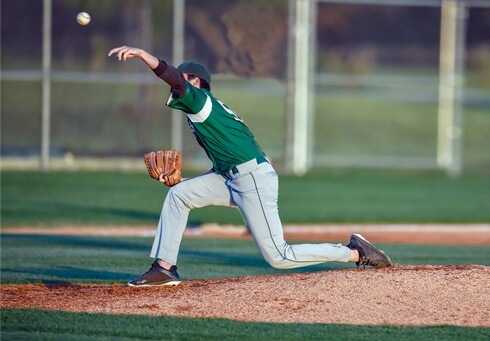
A UCL injury is a common elbow problem, particularly in throwing athletes.
It involves damage to the ulnar collateral ligament, the main stabiliser on the inner side of the elbow, and can range from mild ligament irritation to a complete UCL tear.
This type of injury is sometimes called a "Tommy John Injury" after the famous baseball pitcher who first underwent ligament reconstruction surgery in 1974.
In this guide, we’ll cover the anatomy, causes, symptoms, diagnosis, treatment, recovery, and prevention of a UCL injury elbow, helping you understand exactly what’s going on and how to manage it.
What Is a UCL Injury?
The ulnar collateral ligament (UCL) is a triangular band of tissue on the inside of your elbow.

It resists valgus stress - the force that tries to push your forearm outward relative to your upper arm.
The UCL consists of three bundles:
- Anterior Bundle: primary stabiliser during throwing
- Posterior Bundle: secondary stabiliser at higher flexion
- Transverse Bundle: minor stabiliser
A UCL injury occurs when these fibres are overstretched, partially torn, or fully ruptured, resulting in inner elbow pain.
NB A UCL elbow injury should not be confused with a UCL thumb injury, aka Skiers Thumb, which occurs at the base of the thumb.
Types Of UCL Injuries
UCL injuries are graded based on severity:
- Grade 1 (Sprain): Ligament stretched but intact; mild pain.
- Grade 2 (Partial UCL tear): Some ligament fibres torn; moderate pain and instability.
- Grade 3 (Complete UCL tear): Ligament fully ruptured; often requires surgery.
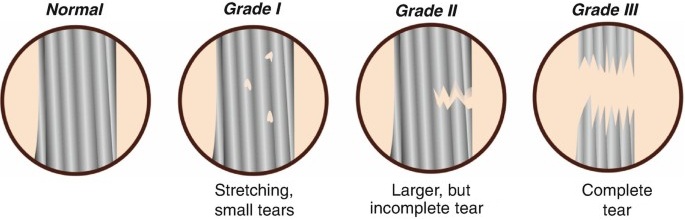
Most injuries in recreational athletes are partial UCL tears, whereas elite pitchers may experience complete ruptures.
Research indicates that approximately 50–60% of UCL injuries in pitchers are partial tears, while the remaining 40–50% are complete tears.
What Causes Tommy John Injury?
The most common cause of UCL injuries is repetitive valgus stress on the elbow, especially during overhead throwing.
This happens when the forearm pulls away from the upper arm during throwing, placing huge strain on the ligament.
Typical causes include:
- Overuse in pitching or throwing sports
- Sudden increase in throwing volume
- Poor throwing mechanics
- Muscle fatigue in shoulder, forearm, or core
- Returning too quickly after previous injury
- Stress on growth plates can contribute in younger athletes
Commonly affected athletes: baseball pitchers, javelin throwers, tennis players, cricket bowlers, gymnasts, and anyone performing repetitive overhead motions.
Studies show that up to 25% of professional baseball pitchers will sustain an ulnar collateral ligament injury at some point in their career.
Pitchers who throw more than 100 innings per year have a 3–4 times higher risk of UCL injury compared to those with lower volume.
Why Is It Called A Tommy John Injury?
The term Tommy John injury comes from baseball pitcher Tommy John, who was the first athlete to successfully undergo reconstructive UCL surgery in 1974.
That procedure is now known as Tommy John surgery, and it has become one of the most common operations in elite throwing athletes.
More than 25,000 Tommy John procedures have been performed in the U.S. since 1974, and the number is increasing each year, particularly among high school and college athletes.
UCL Injury Symptoms
Symptoms of an ulnar collateral ligament injury often develop gradually and may include:
- Inner elbow pain
- Pain when throwing or serving
- Loss of throwing speed or accuracy
- Feeling of elbow instability
- Clicking or popping sensation
- Reduced grip strength
- Tingling in the ring and little finger (ulnar nerve irritation)
With a sudden ulnar collateral ligament tear, athletes may feel a sharp pop followed by immediate pain and weakness.
Around 70% of athletes report pain during the late cocking or early acceleration phase of throwing.
Diagnosing A UCL Injury
A doctor or physiotherapist will start by taking a history and will usually diagnose a UCL injury elbow through:
1. Clinical Examination

Your practitioner will assess:
- Tenderness over the ligament
- Range of motion and elbow stability
- Throwing mechanics
- Muscle strength and flexibility
They may also carry out some specific tests such as:
- Valgus stress test
- Moving valgus stress test
- Milking manoeuver
The moving valgus stress test has a reported sensitivity of 100% and specificity of 75%, making it one of the most reliable physical tests.
2. Imaging Tests
- X-ray: checks for bone spurs or fractures
- Ultrasound: can show dynamic instability under stress
- MRI: confirms partial or complete ligament tear
- MRI arthrogram: Provides more detail in high-demand athletes
Accurate diagnosis helps determine the right treatment plan.
UCL Injury Treatment
Treatment depends on the severity of the UCL injury and the athlete’s goals.
1. Non-Surgical Treatment
Most Grade 1-2 UCL injuries improve without surgery.
Early management includes:
- Rest from throwing
- Ice to reduce inflammation
- Anti-inflammatory medication if needed
- Brace or taping for support
Rehabilitation then focuses on:
- Shoulder and rotator cuff strengthening
- Core stability exercises
- Forearm and wrist strengthening
- Gradual throwing progression
Recovery: Usually 3–4 months for a full return to sport.
2. UCL Surgery (Tommy John Surgery)
If the ligament is completely torn or symptoms persist despite rehab, surgery may be needed.
Tommy John surgery involves replacing the damaged ligament with a tendon graft, usually taken from the forearm, hamstring or a donor graft.
The graft is threaded through small bone tunnels to recreate the ligament.
Alternative and adjunct treatments:
- Internal Brace Augmentation: Supports healing with a synthetic scaffold, may allow faster return
- PRP (platelet-rich plasma) Injections: Can help partial UCL tears heal and reduce inflammation
Over 80–90% of professional pitchers return to their previous level of play after Tommy John surgery. Average recovery time is 12–18 months.
Recovery Time After UCL Injury
Recovery time from a Tommy John injury varies depending on treatment.
Without surgery:
- Light activities: 4–6 weeks
- Throwing rehab: 2–3 months
- Full return to sport: 3–4 months
After Tommy John surgery:
- Daily activities: 6 weeks
- Strength rehab: 3-4 months
- Throwing programme: 6-9 months
- Full competitive return: 9-18 months
Long-term studies show a 90% success rate for return to competitive sports after reconstruction.
Preventing UCL Injuries
You can reduce your risk of a UCL injury by:
- Strengthening the shoulder, forearm and core
- Avoid sudden increases in throwing volume
- Ensure proper throwing mechanics
- Warming up properly before activity
- Resting between competitions
- Avoiding year-round pitching in youth athletes
Prevention programmes have been shown to dramatically reduce elbow injury rates in throwers.
When To See A Doctor
Seek medical advice if you have:
- Persistent inner elbow pain
- Loss of throwing power or accuracy
- Elbow instability
- Numbness in the hand
- A sudden “pop” during throwing
Early treatment greatly improves recovery outcomes.
Summary: UCL Injury Elbow
A UCL injury is damage to the inner elbow ligament that stabilises the joint during overhead movements.
- Often called a Tommy John injury
- Common in throwers and athletes performing repetitive overhead motions
- Symptoms: pain, instability, decreased throwing performance
- Diagnosis: clinical exam, MRI, special tests
- Treatment: rest, physiotherapy, surgery (Tommy John or internal brace)
- Recovery: 3–4 months for non-surgical, 9–18 months after surgery
With proper management and rehabilitation, most athletes return to their sport safely and effectively.
You may also be interested in the following articles:
Related Articles
Shoulder Diagnosis
February 25th, 2026
Wrist Diagnosis
May 12th, 2026
Elbow Diagnosis
February 26, 2026
Page Last Updated: February 25th, 2026
Next Review Due: February 25th, 2028

Visitor Comments
"Such an informative and valuable site. Clearly written and matches the guidance from my orthopedic surgeon. Even offers many rehab exercises. Thank you very much!" Izabela
"I am a massage therapist and found your website perfect. Very useful. Clear, easy understand. Big help. Thank you!" Viktoria
"This is a great site. Very informative" Marilyn
"I benefited a lot from your distinguished work, thank you." Sayed
"Hi
and thanks so much, great site! You
are doing a lot of good in the world with this helpful site, thanks again." Karen
The material on this website is intended for educational information purposes only. It should not delay or substitute medical advice, diagnosis or treatment. See our T&C's
Shoulder-Pain-Explained.com is a trading name of Wilson Health Ltd. All rights reserved. Terms & Conditions apply
© shoulder-pain-explained.com 2015-26 Last updated 15th June 2026
Contact Us About Us Blog Privacy Policy Advertising Policy Sitemap
