- Home
- Hand Pain Diagram
- Pain In Palm
Pain In Palm Of Hand
Written By: Chloe Wilson BSc (Hons) Physiotherapy
Reviewed By: SPE Medical Review Board
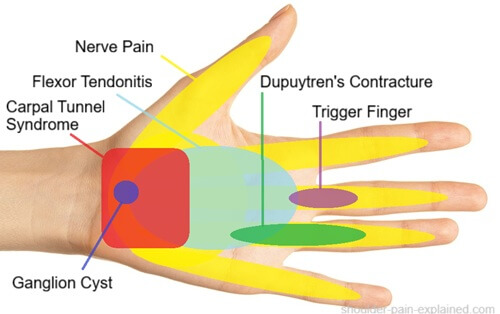
Pain in the palm of the hand can make even simple tasks like gripping, typing or lifting uncomfortable.
Whether palm pain develops gradually or suddenly, it usually indicates irritation, inflammation or injury to the soft tissues, nerves or hand bones.
Palm pain often occurs alongside stiffness, weakness, tingling or reduced grip strength. In some cases, symptoms may extend into the fingers or wrist, leading to combined pain in wrist and palm.
In this guide, we will explore the most common causes of pain in palm of hand, how to recognise them, and what to do next. If your pain is in a different part of your hand, check out our hand pain diagram for help working out what is wrong.
Causes Of Pain In Palm Of Hand
The most common causes of hand pain on the palm can be grouped based on the type of tissue involved:
- Nerve Compression: causes tingling, numbness and burning pain in the palm e.g. carpal tunnel syndrome
- Tendon Problems: cause pain with movement and gripping e.g. flexor tendonitis and trigger finger
- Soft Tissue Changes: leads to thickened tissue and tightness in the palm e.g. Dupuytren’s contracture
- Lumps & Swelling: may cause localised discomfort or pressure e.g. ganglion cysts
- Injuries: usually cause sudden, severe palm pain e.g. fractures or soft tissue trauma
- Referred or Nerve-Related Pain: nerve irritation from higher up e.g. neck, shoulder or elbow
Understanding which category your symptoms fall into can help narrow down the likely cause of your pain in palm of hand and guide the next steps for treatment.
1. Carpal Tunnel Syndrome
Carpal tunnel syndrome is one of the most common causes of pain in the wrist and palm. It occurs when the median nerve becomes compressed as it passes through the carpal tunnel at the front of the wrist.
Common symptoms of Carpal Tunnel Syndrome include:
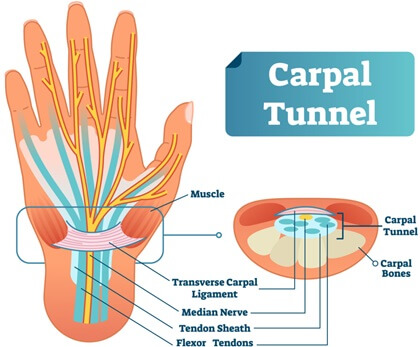
- Burning or tingling in the palm, thumb, index and middle fingers
- Pain that may travel from the wrist into the palm
- Numbness, especially at night
- Weak grip
Typical causes:
- Repetitive hand use e.g. typing, manual work
- Pregnancy
- Arthritis or wrist swelling
Find out more about the causes and treatment options in our full guide on Carpal Tunnel Syndrome.
2. Trigger Finger
Trigger finger occurs when one of flexor tendons becomes irritated and inflamed, making it difficult for the finger to glide smoothly. It most typically develops in the thumb, middle or ring finger.
Common symptoms of Trigger Finger include:
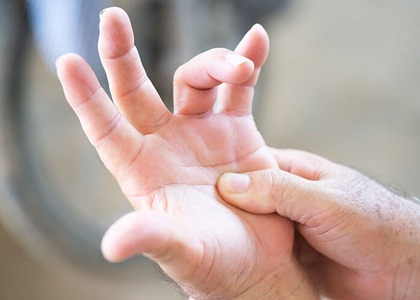
- Catching or locking when bending the finger
- Pain in palm of hand at the base of the finger
- Clicking sensation
- Stiffness and tightness which may become permanent
Typical causes:
- Repetitive gripping
- Medical conditions e.g. Diabetes
- Age and gender – most common in women aged 40-70
You can find out all about the causes, symptoms and best treatment options for this cause of pain in palm of hand in the Trigger Finger section.
3. Ganglion Cyst
A ganglion cyst is a fluid-filled lump that often develops near the wrist joint and can cause pain in wrist and palm if it presses on nearby structures.
Ganglion cysts are the most common cause of a lump on palm.
Common symptoms of ganglion cysts are:
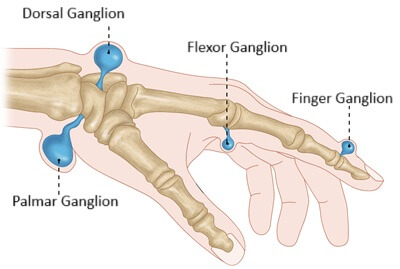
- Lump on palm, usually 1-2cm
- Aching or discomfort
- Pain in wrist and palm with wrist movement
- Tingling or numbness if presses on nerve
Typical causes:
- Repetitive stress
- Previous injury
- Arthritis or inflammation
You can find out more about the causes and best treatment options in the Ganglion Cysts section.
4. Dupuytren’s Contracture
Another common cause of hand pain on the palm is Dupuytren’s Contracture that may affect one or both hands.
Dupuytren’s contracture causes thickening of the connective tissue in the palm, leading to lumps or cords that can pull the fingers into a bent position.
Common symptoms of Dupuytren’s Contracture include:
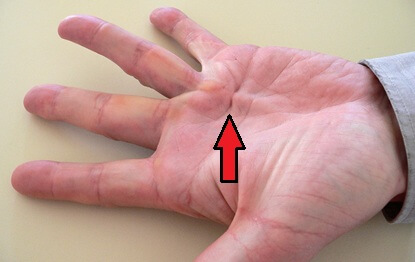
- Firm nodule/lump in palm
- Progressive finger bending
- Reduced grip strength and hand function
- Painless initially, but increasingly painful later
Typical causes:
- Genetic predisposition
- Most common in men over 40
- Associated with diabetes and smoking
Find out more about the causes and treatment options in the Dupuytren’s Contracture section
5. Flexor Tendonitis
Flexor tendonitis is caused by inflammation of the tendons that bend the fingers. It is a frequent cause of palm pain, particularly in people who perform repetitive gripping activities.
Common symptoms of flexor tendonitis include:

- Pain in palm of hand that worsens with activity
- Tenderness over the tendons
- Stiffness when bending the fingers
Typical causes:
- Overuse/repetitive strain
- Sudden increase in hand activity
Find out more about the common causes and treatment options for Flexor Tendonitis.
6. Broken Bone (Hand Fracture)
A fracture in one of the hand bones can cause significant pain in palm of hand, usually following trauma such as a fall or punching something.
Common symptoms:
- Sudden, severe pain in palm of hand
- Swelling and bruising
- Difficulty moving the fingers
- Visible deformity in severe cases
Typical causes:
- Fall onto an outstretched hand
- Direct impact or crush injuries
The most common hand bone to break is the 5th metatarsal, but any of the hand bones can be broken. Find out more about the common causes and treatment options for hand fractures.
7. Peripheral Neuropathy
Nerve-related conditions can cause hand pain on the palm along with tingling, burning or numbness.
Common symptoms of nerve problems include:
- Sharp, shooting or burning pain in wrist and palm
- Pins and needles
- Numbness in the palm or fingers
- Symptoms that radiate from the wrist or arm
Possible causes:
- Cervical spine issues (referred pain from the neck)
- Nerve compression at the shoulder, elbow or wrist
- Cubital Tunnel Syndrome – affects ring and little finger
- Median Nerve Compression – affects thumb, index and middle fingers
- Diabetes
Find out more about how nerve problems cause hand pain on palm in the Arm Nerve Pain article.
Rare Causes Of Hand Pain On Palm
While less common, there are some other conditions that can cause palm pain, including:
- Palmar Fasciitis: Inflammation of the connective tissue in the palm, causing pain, stiffness and progressive tightening in the hand
- Infections: Bacterial infections such as abscesses or cellulitis can lead to localised swelling, redness, warmth and pain in the palm
- Tumours: Benign or, rarely, malignant growths in the hand can cause persistent pain, swelling or a noticeable lump in the palm
- Autoimmune Conditions: Conditions such as rheumatoid arthritis can cause inflammation, stiffness and aching pain affecting the palm and fingers
- Vascular Problems: Reduced blood flow to the hand can result in pain, cramping or colour changes in the palm, particularly with activity
- Complex Regional Pain Syndrome (CRPS): A chronic pain condition that causes severe, persistent pain along with swelling, sensitivity and changes in skin temperature
If your palm pain symptoms are unusual, severe or not improving, further investigation may be needed.
When To See The Doctor
You should seek medical advice if your pain in palm of hand is:
- Severe or worsening
- Following an injury or trauma
- Associated with significant swelling or deformity
- Causing persistent numbness or weakness
- Not improving after 1–2 weeks of self-care
- Affecting your ability to use your hand
Early diagnosis helps prevent long-term complications and speeds up recovery from palm pain.
How To Treat Palm Pain
Treatment for hand pain on palm depends on the underlying cause, but the good news is that most cases improve with simple conservative measures.
#CommissionsEarned from Amazon on qualifying purchases
1. Self-Care Strategies
- Rest & Activity Modification: Reduce or avoid activities that aggravate your symptoms, particularly repetitive gripping or heavy hand use
- Ice Therapy: Apply an ice pack for 10–15 minutes, 2–3 times per day to reduce pain and inflammation, especially after activity
- Support & Splinting: Wearing a wrist splint or finger splint can help offload irritated tissues and support healing. Particularly with carpal tunnel syndrome or trigger finger
- Pain Relief: Over-the-counter medication such as paracetamol or anti-inflammatories may help manage symptoms short-term.
2. Rehabilitation & Exercises
Targeted exercises under the guidance of a physical therapist can restore movement, reduce stiffness and prevent recurrence:
- Gentle Stretching Exercises: to maintain flexibility
- Tendon Gliding Exercises: to improve tendon movement
- Strengthening Exercises: to support the hand and wrist
- Ergonomic Adjustments: to reduce strain during daily activities
3. Medical Treatment
If symptoms persist or worsen, further treatment may be needed for pain in the palm of the hand:
- Corticosteroid Injections: Often used for conditions like trigger finger or carpal tunnel syndrome to reduce inflammation
- Treatment Of Underlying Conditions: e.g. managing arthritis, diabetes or nerve-related problems
4. Surgery
Surgery for hand pain on palm is usually only considered when other treatments haven’t worked, or symptoms are severe:
- Carpal Tunnel Release: to relieve nerve pressure
- Trigger Finger Release: to restore smooth tendon movement
- Ganglion Cyst Removal: if painful, recurrent or restricting movement
- Fracture Fixation: in more serious injuries
Most cases of palm pain settle within a few weeks with the right approach. Early treatment and addressing the underlying cause are key to a faster and more complete recovery.
Pain In Palm Of Hand Summary
The exact location of your symptoms is often the biggest clue to what is causing your pain in the palm of your hand.
Pain at the base of the fingers is most commonly linked to tendon problems such as trigger finger or flexor tendonitis.
Pain in the centre of the palm may indicate soft tissue changes like Dupuytren’s contracture or, less commonly, palmar fasciitis.
Pain between the wrist and palm is often caused by nerve compression, such as carpal tunnel syndrome, or pressure from a ganglion cyst.
Deep, widespread or sudden palm pain, especially after an injury, may suggest a fracture or more serious tissue damage.
Identifying the underlying cause is key to effective treatment. Most cases of hand pain on palm settle with simple measures, but persistent or severe symptoms should always be assessed by a healthcare professional.
You may also be interested in the following articles:
- Hand Pain Diagram
- Pain In Back Of Hand
- Hand and Finger Pain
- Pain In The Thumb
- Forearm Pain
- Pain From Shoulder To Hand
Related Articles
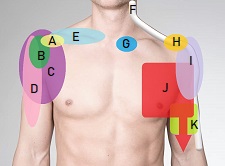
Shoulder Diagnosis
September 23rd, 2026
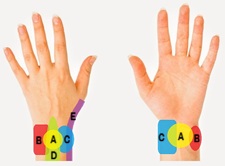
Wrist Diagnosis
May 12th, 2026
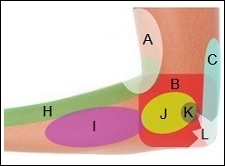
Elbow Diagnosis
February 26, 2026
Page Last Updated: May 12th, 2026
Next Review Due: May 12th, 2028

Visitor Comments
"Such an informative and valuable site. Clearly written and matches the guidance from my orthopedic surgeon. Even offers many rehab exercises. Thank you very much!" Izabela
"I am a massage therapist and found your website perfect. Very useful. Clear, easy understand. Big help. Thank you!" Viktoria
"This is a great site. Very informative" Marilyn
"I benefited a lot from your distinguished work, thank you." Sayed
"Hi
and thanks so much, great site! You
are doing a lot of good in the world with this helpful site, thanks again." Karen
The material on this website is intended for educational information purposes only. It should not delay or substitute medical advice, diagnosis or treatment. See our T&C's
Shoulder-Pain-Explained.com is a trading name of Wilson Health Ltd. All rights reserved. Terms & Conditions apply
© shoulder-pain-explained.com 2015-26 Last updated 30th September 2026
Contact Us About Us Blog Privacy Policy Advertising Policy Sitemap
