- Home
- Diagnosis Guide
- Rotator Cuff Pain
Rotator Cuff Pain Location Diagram
Written By: Chloe Wilson BSc (Hons) Physiotherapy
Reviewed By: SPE Medical Review Board

Rotator cuff pain is one of the most common causes of shoulder pain, particularly when lifting the arm or reaching overhead.
The rotator cuff is a group of muscles and tendons that stabilise the shoulder joint.
When these tendons become irritated or damaged it can lead to rotator cuff shoulder pain, weakness and reduced movement.
Pain is typically felt on the outer shoulder and upper arm, which is why a rotator cuff pain location diagram can help identify the source of symptoms.
In this guide we’ll look at the different aspects of rotator cuff pain including anatomy, common causes and symptoms, diagnosis, treatment and recovery.
Rotator Cuff Pain Location
The rotator cuff is a group of four muscles and their tendons that surround the shoulder joint. Rotator cuff pain can develop in any one of these.
The four rotator cuff muscles are:
- Supraspinatus: helps lift the arm to the side; most commonly injured
- Infraspinatus: rotates the arm outward
- Teres Minor: Assists external rotation
- Subscapularis: Rotates the arm inward and provides important front-of-shoulder stability

The rotator muscles work together to stabilise the ball-and-socket joint and control arm movement.
When a tendon becomes inflamed, irritated, or torn, it can cause pain, weakness and limited movement which can be pinpointed using the rotator cuff pain location diagram.
Rotator cuff pain usually occurs in the outer shoulder and upper arm, sometimes radiating down the deltoid. It rarely travels past the elbow - pain beyond that may indicate a neck or nerve issue.
Rotator Cuff Pain Symptoms
Symptoms of rotator cuff shoulder pain vary depending on the severity of the problem.
Common symptoms include:
- Shoulder Pain: deep ache in outer shoulder or upper arm, worse when reaching overhead or behind back
- Weakness: difficulty lifting objects, raising your arm, and controlling the arm when lowering it
- Clicking or Catching: or grinding sensations during movement due to tendon friction
- Night Pain: throbbing pain at night, particularly when lying on the affected side.
- Reduced Range of Motion: causing trouble reaching behind your back, difficulty putting on a jacket, limited overhead movement
NB Pain that travels past the elbow or into the hand is less likely to be caused by the rotator cuff and may indicate a neck nerve problem instead.
Types Of Rotator Cuff Pain
Several different conditions can affect the rotator cuff and lead to rotator cuff pain.

- Rotator Cuff Tendonitis: occurs when one of the
rotator cuff tendons become inflamed or irritated. Develops gradually due to repetitive
overhead movements or overuse.
- Rotator Cuff Tear: occurs when a tendon partially
or completely detaches from the bone. May develop gradually or suddenly
after an injury. Doesn’t always cause pain, but usually always causes weakness.
- Rotator Cuff Impingement: occurs when the tendons
become compressed under the acromion (the top part of the shoulder) when
the arm lifts overhead e.g. from bursitis
- Rotator Cuff Tendinopathy: occurs when there is chronic degeneration and irritation of the tendon
rather than acute inflammation. Typically
related to aging and repetitive stress
- Rotator Cuff Trigger Points: tight, sensitive areas within the rotator cuff muscles that often refer pain down the arm
Causes of Rotator Cuff Pain
There are many possible causes of rotator cuff shoulder pain:
- Wear and Tear (Degeneration): The rotator cuff
naturally weakens with age and tendons may develop small
tears or inflammation, especially over age 40. Reduced blood supply makes tendons more prone to injury
- Repetitive Overhead Activity Activities: can irritate the rotator cuff e.g. tennis, swimming,
throwing sports, painting or decorating
- Poor Posture: Rounded shoulders and forward head
posture reduces the space under the acromion, which compresses and irritated
the tendons. Common in people who spend long periods sitting at a desk
- Shoulder Stiffness: Reduced shoulder mobility e.g. from tight joint capsule changes joint mechanics and can increase the load on the rotator cuff
tendons
- Subacromial Bursitis: inflammation of the fluid filled sac under the acromion can place
excessive friction on the rotator cuff tendons
- Sudden Injury: Rotator cuff pain can also occur suddenly e.g. after a fall onto the arm, lifting something heavy, sudden pulling movements or sports injuries
When To See Doctor
You should see a doctor if:
- Shoulder pain lasts longer than 2–3 weeks
- Rotator cuff pain is severe or worsening
- You cannot lift your arm
- There is significant weakness
- Pain started after a fall or injury
- Shoulder pain wakes you at night
Early diagnosis helps prevent symptoms from becoming worse.
Diagnosing Rotator Cuff Pain
Doctors usually diagnose rotator cuff shoulder pain through a combination of:
- Medical History: they will ask lots of questions such as when the pain started, what movements trigger symptoms, previous shoulder injuries and normal activity levels
- Physical Examination: They will then examine your shoulder looking at things such as strength, range of motion and pain with movement
- Imaging Tests: may be used e.g. ultrasound or MRI scan for assessing soft tissues and x-rays to look for arthritis or bone spurs
Simple Rotator Cuff
Pain Self-Test

A quick way to check for possible rotator cuff irritation that you can do at home is the painful arc test.
Slowly raise your arm out to the side, with your thumb pointing up to the ceiling.
Pain between 60° - 120° of arm movement may indicate rotator cuff irritation or impingement.
This test cannot diagnose a rotator cuff injury but may indicate when further assessment is needed.
Special Tests For Rotator Cuff Pain
Doctors and physical therapists often use specific shoulder special tests to help identify the source of rotator cuff shoulder pain location.
These tests place controlled stress on different rotator cuff muscles to see if they reproduce pain or reveal weakness.
Some of the most commonly used tests for rotator cuff pain include:
1. Empty Can Test
The Empty Can Test is commonly used to assess the supraspinatus tendon.

- Arm is lifted to shoulder height in front of the body at 30–45° angle
- Thumb is then pointed downward as if emptying a can
- Examiner gently presses downward on the arm while you try to resist the movement
- Rotator cuff pain or weakness during this test indicates supraspinatus damage
2. Belly Press Test
The Belly Press Test evaluates the subscapularis muscle, at the front of the shoulder.
- Press your hand into your stomach while trying to keep the elbow forward.
- If the elbow drifts backwards or the wrist bends, it may suggest subscapularis weakness or injury.
3. Lift-Off Test
The Lift-Off Test is another test used to assess the subscapularis tendon.
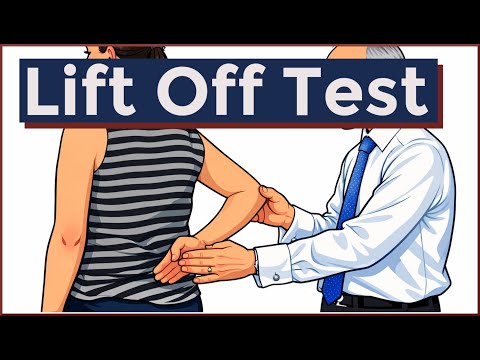
- Place the back of your hand on your lower back
- Try to lift the hand away from the body against gentle resistance
- Difficulty lifting the hand away or pain during the movement may indicate subscapularis tendon tear
4. Hornblower Test
The Hornblower Test is used to assess the teres minor muscle
- With the arm raised to shoulder height and the elbow bent, try to rotate the arm outward against resistance.
- If you cannot maintain the position or experience significant weakness, it indicates teres minor dysfunction.
5. Resistance Testing
General resistance testing is frequently used to assess the strength of each rotator cuff muscle.
The examiner will ask you to move the arm in different directions while they apply gentle resistance.
- External Rotation: tests infraspinatus and teres minor
- Internal Rotation: tests subscapularis
- Abduction: tests supraspinatus
Pain or weakness during resistance testing can help identify which muscle is contributing to rotator cuff pain location.
Important Note: While special tests can provide useful information, they are not always definitive. Rotator cuff injuries often involve multiple structures, and symptoms may overlap with other conditions.
For this reason, doctors often combine clinical testing with imaging such as ultrasound or MRI to confirm the diagnosis.
Differential Diagnosis
Several other conditions can cause pain in a similar location to rotator cuff injuries. Possible alternatives include:
- Shoulder impingement syndrome
- Frozen shoulder (adhesive capsulitis)
- Biceps tendonitis
- Shoulder bursitis
- Acromioclavicular joint arthritis
- Nerve pain
A proper assessment helps identify the true cause of shoulder pain.
#CommissionsEarned from Amazon on qualifying purchases
Treatment For Rotator Cuff Pain
Most cases of rotator cuff shoulder pain improve with non-surgical treatment.
- Rest and Activity Modification: Avoid activities that
worsen symptoms, particularly repetitive overhead movements.
- Ice Therapy: Applying ice for 10–15 minutes
several times a day can help reduce inflammation.
- Physical Therapy: Is one of the most effective
treatments. It may include a combination of rehab exercises, deep transverse
friction massage and ultrasound therapy. Rotator cuff pain exercises usually
focus on rotator cuff strengthening, improving shoulder mobility and scapular stabilisation.
- Medication: Non-steroidal anti-inflammatory drugs
(NSAIDs) may help reduce pain and inflammation.
- Corticosteroid Injections: In some cases, doctors may recommend a steroid injection to reduce inflammation and pain.

Rotator Cuff Surgery
Surgery for rotator cuff pain is usually only considered if:
- Symptoms persist after 6–12 months
- There is a large tendon tear
- Shoulder weakness is severe
Common procedures include arthroscopic rotator cuff repair.
Rotator Cuff Pain Recovery Time
Recovery time depends on the type and severity of the injury.
Typical timelines include:
- Mild tendonitis: 2–6 weeks
- Moderate tendinopathy: 6–12 weeks
- Partial tear: 3–6 months
- Surgical repair: 6–12 months
Following a structured rehabilitation program is essential for full recovery.
Preventing Rotator Cuff Pain
You can reduce the risk of rotator cuff problems by:
- Strengthening the rotator cuff and shoulder blade muscles
- Maintaining good posture
- Taking breaks from repetitive activities
- Avoiding sudden increases in training load
- Warming up before sports
Regular shoulder strengthening exercises and resistance band exercises are one of the best ways to protect the rotator cuff.
Common Questions About Rotator Cuff Pain
Where
Is Rotator Cuff Pain Felt?
Where Is Rotator Cuff Pain Felt?
Rotator cuff pain is usually felt on the outer shoulder and upper arm, sometimes spreading slightly down the arm but rarely past the elbow.
Pain often worsens when lifting overhead, reaching behind the back, or lying on the shoulder.
Why
Does It Hurt In The Upper Arm?
Why Does It Hurt In The Upper Arm?
Rotator cuff tendon pain is referred to the deltoid muscle, so even though the injury is in the shoulder, it feels like upper arm pain.
Common signs:
- A dull ache in the upper arm
- Pain when lifting the arm
- Tenderness on the side of the shoulder
What
Is The Most Common Rotator Cuff Injury?
What Is The Most Common Rotator Cuff Injury?
The supraspinatus tendon is most frequently affected, causing tendonitis or partial tears. This is due to the small space under the subacromial arch.
Can
Rotator Cuff Pain Improve On Its Own?
Can Rotator Cuff Pain Improve On Its Own?
Mild irritation may improve with rest, gentle exercises, and posture correction, but persistent pain should be assessed by a healthcare professional.
How
Long Does Rotator Cuff Pain Last?
How Long Does Rotator Cuff Pain Last?
Mild
tendonitis: 2–6 weeks
Partial tears: 1–3 months
Large tears or post-surgery: 4–6 months or longer
How
Do Doctors Check For Rotator Cuff Injuries?
How Do Doctors Check For Rotator Cuff Injuries?
Common special tests for rotator cuff pain include:
- Empty Can Test (supraspinatus)
- Lift-Off & Belly Press Tests (subscapularis)
- Hornblower Test (teres minor)
- Resistance testing for muscle strength
Can
Rotator Cuff Problems Cause Weakness?
Can Rotator Cuff Problems Cause Weakness?
Yes. Weakness is often seen, especially with tendon tears, when:
- Lifting the arm
- Rotating the shoulder
- Performing overhead tasks
With complete tears, they may not be much pain but weakness will be pronounced.
How
Can Rotator Cuff Pain Be Prevented?
How Can Rotator Cuff Pain Be Prevented?
You can reduce the risk of developing rotator cuff pain by maintaining good posture, strengthening shoulder stabilizers, increasing activity gradually, and warming up before exercise.
Rotator Cuff Pain Location Diagram Summary
Rotator cuff pain is one of the most common causes of shoulder pain and typically affects the outer shoulder and upper arm.
Symptoms often include pain when lifting the arm, weakness, clicking sensations and night pain.
Most cases of rotator cuff pain develop gradually due to wear and tear, repetitive overhead activity or poor posture, but injuries can also occur suddenly e.g. after a fall.
Fortunately, the majority of people recover well with rest, physical therapy and targeted strengthening exercises.
If symptoms persist or weakness develops, medical assessment is important to rule out rotator cuff tears or other shoulder conditions.
With the right treatment and rehabilitation, most people can return to normal activities without long-term shoulder problems.
Related Articles


Medical & Scientific References
- Rotator Cuff Syndrome. NIH National Library Of Medicine
- Rotator Cuff Tendinopathy Diagnosis, Nonsurgical Medical Care, and Rehabilitation: A Clinical Practice Guideline. Journal Of Orthopaedic & Sports Physical Therapy
- A Guide To Rotator Cuff Related Shoulder Pain. Leicester Partnership NHS Trust
Page Last Updated: March 16th, 2026
Next Review Due: March 16th, 2028

Visitor Comments
"Such an informative and valuable site. Clearly written and matches the guidance from my orthopedic surgeon. Even offers many rehab exercises. Thank you very much!" Izabela
"I am a massage therapist and found your website perfect. Very useful. Clear, easy understand. Big help. Thank you!" Viktoria
"This is a great site. Very informative" Marilyn
"I benefited a lot from your distinguished work, thank you." Sayed
"Hi
and thanks so much, great site! You
are doing a lot of good in the world with this helpful site, thanks again." Karen
The material on this website is intended for educational information purposes only. It should not delay or substitute medical advice, diagnosis or treatment. See our T&C's
Shoulder-Pain-Explained.com is a trading name of Wilson Health Ltd. All rights reserved. Terms & Conditions apply
© shoulder-pain-explained.com 2015-26 Last updated 15th June 2026
Contact Us About Us Blog Privacy Policy Advertising Policy Sitemap
