- Home
- Hand Pain Diagram
- Hand Lumps
- Palm Lumps
Lump In Palm Of Hand
Written By: Chloe Wilson BSc (Hons) Physiotherapy
Reviewed By: SPE Medical Review Board
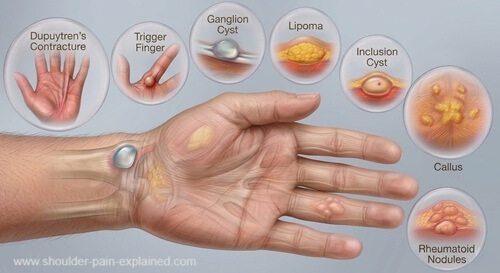
A lump in the palm of the hand is a common concern and can develop for a wide range of reasons.
It may feel soft or firm, painful or painless, and can appear suddenly or build up slowly over time.
In many cases, a palm lump is harmless, but in others it can affect grip strength, finger movement and everyday hand function.
Common causes include Dupuytren’s contracture, ganglion cysts and trigger finger. The location, texture and associated symptoms can provide important clues about the underlying cause.
In this guide, we will look at the most common causes of a lump on the palm of the hand, key symptoms, how they are diagnosed, treatment options and when you should seek medical advice.
Common Causes Of A Lump In Palm Of Hand
A lump in the palm of the hand can come from several different structures, including tendons, connective tissue, skin and nerves. Let’s start by looking at the most common causes of a lump on the palm of the hand.
1. Dupuytren’s Contracture
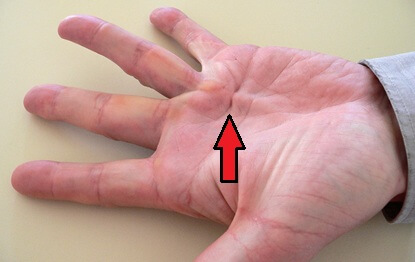
Dupuytren’s contracture is the most common cause of a firm lump in the palm of the hand. Thickened tissue develops beneath the skin, usually affecting the ring or little finger.
Over time, the tissue may form cords that tighten and gradually pull the fingers into a bent position.
Common symptoms of Dupuytren’s contracture include:
- Firm nodules in the palm
- Thickened cords under the skin
- Difficulty straightening the fingers
- Reduced grip strength and hand function
Dupuytren’s contracture usually develops slowly and is often painless in the early stages.
2. Ganglion Cyst
Another common cause of a lump in the palm is a ganglion cyst. These cysts are fluid-filled swellings that arise from a joint or tendon sheath and may vary in size over time.
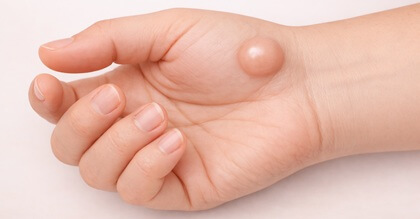
Common symptoms of a palmar ganglion cyst are:
- Smooth, rounded lump inside palm of hand
- Soft or rubbery texture
- Discomfort with gripping
- Lump may fluctuate in size
Ganglion cysts are usually harmless but can become painful if they press on nearby structures.
3. Trigger Finger
Trigger finger occurs when a finger flexor tendon becomes irritated and thickened, creating a small tender lump near the base of the finger in the palm.
This can interfere with smooth tendon movement and cause catching or locking of the finger.
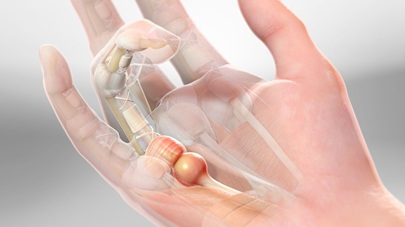
Common symptoms of trigger finger are:
- Tender lump on palm of hand
- Finger clicking or snapping
- Finger stiffness
- Locking or catching sensation
Trigger finger symptoms are often worse first thing in the morning or after gripping activities.
Other Possible Causes Of Palm Lumps
Less common causes of a lump in palm of hand include:
- Lipoma: Soft fatty lump inside palm of hand beneath the skin
- Callus: Thickened skin from repeated friction or pressure
- Warts: Rough viral skin growths
- Epidermal Inclusion Cyst: Keratin-filled benign cyst
- Giant Cell Tumor Of Tendon Sheath: Slow-growing tendon lining tumor
- Rheumatoid Nodules: Firm palm lumps linked with rheumatoid arthritis
- Nerve Tumors: Such as neurofibroma, schwannoma or neuroma, which may cause tingling or burning sensations
Diagnosing A Lump In Hand Palm
A doctor will usually diagnose the cause of a lump in the palm of the hand through a combination of medical history, physical examination and imaging tests.
During the examination, your doctor will assess:
- The size, shape and texture of the palm lump
- Whether it is fixed or mobile
- Any tenderness or pain
- Finger range of movement and grip strength
- Signs of nerve involvement such as tingling or numbness
They will also ask questions about:
- How long the palm lump has been present
- Whether it is changing size
- Any history of hand injury or repetitive use
- Associated symptoms such as clicking, locking or stiffness
- Any underlying medical conditions such as diabetes or rheumatoid arthritis
Investigations
Additional tests are not always necessary with a lump in the palm of the hand, but they may be recommended if the diagnosis is unclear, the lump is rapidly enlarging or symptoms are affecting hand function.
Common investigations for a lump on the palm of the hand include:
- Ultrasound: Helps identify cysts, tendon problems and soft tissue masses
- MRI Scan: Provides detailed images of deeper structures including tendons, nerves and tumors
- X-Rays: Useful if arthritis or bone involvement is suspected
- Biopsy: Occasionally needed to confirm the diagnosis or rule out rare tumors
When To Seek Medical Advice
Most palm lumps are benign and harmless, however you should seek medical attention if:
- The palm lump grows rapidly
- There is significant or worsening pain
- You develop numbness or weakness
- Finger movement becomes restricted
- The lump changes colour, shape or texture
Differential Diagnosis
Because many palm lumps can appear similar, doctors often consider several possible diagnoses before confirming the cause.
| Lump On Palm Of Hand Diagnosis Chart | |||||
|---|---|---|---|---|---|
| Condition | Texture | Location | Pain | Mobility | Further Info |
| Dupuytren’s Contracture | Firm nodules/cords | Base of ring/little finger | Usually painless | Fixed | May pull fingers into flexion |
| Ganglion Cyst | Soft-rubbery | Near joints/tendon sheaths | Mild ache possible | Slightly moveable | May change size over time |
| Trigger Finger | Small firm nodule | Base of finger | Often tender | Moves with tendon | Clicking or locking common |
| Lipoma | Soft, doughy | Beneath skin | Painless | Freely moveable | Slow-growing fatty lump |
| Callus | Rough, thickened skin | Pressure areas | Tender with pressure | Fixed to skin | Common with manual work |
| Wart | Rough surface | Superficial skin | Sometimes tender | Fixed | Caused by HPV |
| Epidermal Inclusion Cyst | Firm, smooth | Under skin | Tender if inflamed | Slightly moveable | Filled with keratin |
| Giant Cell Tumor | Firm | Along tendon sheath | Usually painless | Limited mobility | Benign slow-growing tumor |
| Rheumatoid Nodules | Firm | Pressure/tendon areas | Painless if not inflamed | Fixed | Linked with rheumatoid arthritis |
| Nerve Tumors | Firm-rubbery | Along nerves | Burning/tingling | Variable | Includes neuroma/ schwannoma |
Using Symptoms To Identify The Cause
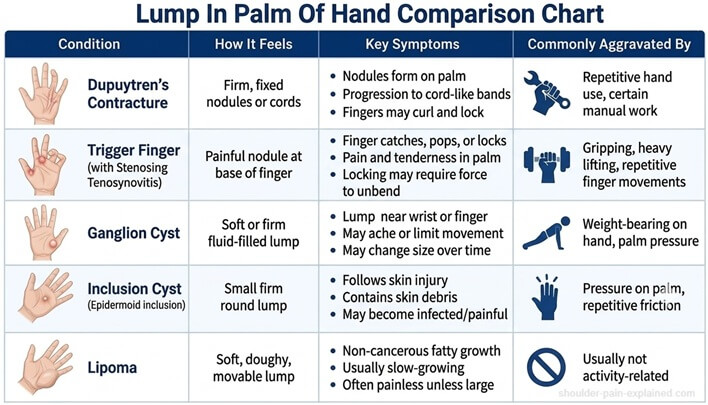
The feel and location of a lump in the palm of the hand can provide useful clues about the likely cause.
- Small Lump In Hand Palm: Often linked with trigger
finger, early Dupuytren’s contracture or small ganglion cysts. Tenderness and
clicking suggest trigger finger, while painless nodules are more typical of
early Dupuytren’s
- Hard Lump In Palm: Common causes include Dupuytren’s
contracture, giant cell tumour of tendon sheath, rheumatoid nodules or callus. Hard,
slowly developing lumps that begin to tighten the fingers are particularly
suggestive of Dupuytren’s
- Soft Lump In Palm:
Usually due to a ganglion cyst, lipoma or epidermal inclusion cyst. Soft, movable
lumps are usually benign and sit just under the skin
- Lump In Middle Of Palm: May be due to ganglion cyst,
lipoma or tendon sheath tumour. Soft, mobile lumps are more likely to be cysts
or lipomas, while firm fixed lumps often involve tendons
- Painful Lump On Palm: Painful palm lumps are often linked with trigger finger, inflamed cysts or giant cell tumour of tendon sheath. Pain that worsens with gripping or finger movement often suggests a tendon-related cause, particularly trigger finger
If your pain is in a different part of you hand, check out the Lump In Hand article.
#CommissionsEarned from Amazon on qualifying purchases
Treatment For Palm Lumps
Treatment for a lump in the palm of the hand depends on the underlying cause and severity of symptoms, but most cases can be treated successfully at home.
1. Observation
In many cases, no immediate treatment is required. If the lump is small, painless and not affecting hand function, a “watch and wait” approach may be recommended. Regular monitoring is important to ensure the lump is not increasing in size, becoming painful or affecting movement.
2. Self-Care
Self-care is often the first step and may include avoiding repetitive gripping activities, using padded gloves during manual tasks, resting from aggravating activities and applying an ice pack if the lump becomes inflamed or painful.
3. Medications
Anti-inflammatory medications may be used to help reduce pain and swelling. Steroid injections may be recommended, particularly for trigger finger or inflamed cysts that are not improving with conservative care.
4. Immobilisation & Splinting
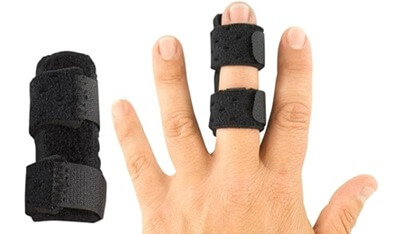
Immobilisation in a finger or wrist splint may help reduce irritation, pain and inflammation, particularly with trigger finger or painful ganglion cysts.
Splints are often worn temporarily to rest the affected structures and limit aggravating movements.
5. Physical Therapy
Physical therapy can help maintain or improve hand flexibility, strength and function. Targeted stretching and mobility exercises may be useful for conditions such as Dupuytren’s contracture or trigger finger, helping to reduce stiffness and maintain range of motion.
6. Procedures & Surgery
Some palm lumps may require medical procedures, including:
- Aspiration of ganglion cysts
- Needle aponeurotomy for Dupuytren’s contracture
- Surgical release for trigger finger
- Surgical excision of cysts or tumors
FAQs: Lump In Palm Of Hand
1. Why Have I Suddenly Developed A Lump In My Palm?
1. Why Have I Suddenly Developed A Lump In My Palm?
A sudden lump in the palm of the hand is often related to tendon irritation, a small cyst forming in the soft tissues, or early changes in conditions such as trigger finger. In some cases, it may simply become noticeable after repetitive hand use or minor strain.
2. Can A Lump In The Palm Of The Hand Go Away On Its Own?
2. Can A Lump In The Palm Of The Hand Go Away On Its Own?
Some palm lumps can reduce or fluctuate in size, particularly ganglion cysts. However, other causes such as Dupuytren’s contracture or tendon-related nodules are more likely to persist and may gradually progress over time.
3. How Do I Know If A Lump In My Palm Is Serious?
3. How Do I Know If A Lump In My Palm Is Serious?
Most palm lumps are benign. It is more concerning if the lump is growing, becoming painful, affecting grip strength, or limiting finger movement. Numbness, tingling or weakness should also be assessed, as this may suggest nerve involvement.
4. What Does A Cancerous Lump In The Palm Feel Like?
4. What Does A Cancerous Lump In The Palm Feel Like?
Cancer in the hand is rare. Concerning features include a lump that is firm, fixed, and steadily enlarging over time, sometimes associated with persistent pain or nerve symptoms. However, the vast majority of palm lumps are benign.
5. Can A Lump In The Palm Affect Grip Strength?
5. Can A Lump In The Palm Affect Grip Strength?
Yes. Depending on the cause, a lump in the palm of the hand can interfere with tendon movement or finger positioning, which may reduce grip strength or make gripping objects uncomfortable.
Should I Massage A Lump In My Palm?
Should I Massage A Lump In My Palm?
Massage is generally not recommended until the cause of the lump is known. While it may temporarily feel relieving in some cases, it can irritate underlying tendons or cysts and may worsen symptoms in conditions such as trigger finger or ganglion cysts.
Final Summary
A lump in palm of hand can develop for many different reasons, ranging from harmless skin thickening to tendon, nerve or connective tissue disorders.
The most common causes of palm lumps are Dupuytren’s contracture, ganglion cysts and trigger finger.
While many hand lumps are benign, it is important to have any persistent, painful or enlarging lump assessed properly, especially if it affects hand movement or causes numbness.
Early diagnosis and treatment can help prevent progression and improve long-term hand function.
You may also be interested in the following articles:
- Hand Lumps Guide
- Lump On Finger
- Lump On Back Of Hand
- Lump On Side Of Hand
- Pain In Palm Of Hand
- Finger Pain
- Wrist Lumps
- Wrist Fractures
Related Articles
Shoulder Diagnosis
February 25th, 2026
Wrist Diagnosis
May 12th, 2026
Elbow Diagnosis
February 26, 2026
Page Last Updated: June 3rd, 2026
Next Review Due: June 3rd, 2028

Visitor Comments
"Such an informative and valuable site. Clearly written and matches the guidance from my orthopedic surgeon. Even offers many rehab exercises. Thank you very much!" Izabela
"I am a massage therapist and found your website perfect. Very useful. Clear, easy understand. Big help. Thank you!" Viktoria
"This is a great site. Very informative" Marilyn
"I benefited a lot from your distinguished work, thank you." Sayed
"Hi
and thanks so much, great site! You
are doing a lot of good in the world with this helpful site, thanks again." Karen
The material on this website is intended for educational information purposes only. It should not delay or substitute medical advice, diagnosis or treatment. See our T&C's
Shoulder-Pain-Explained.com is a trading name of Wilson Health Ltd. All rights reserved. Terms & Conditions apply
© shoulder-pain-explained.com 2015-26 Last updated 15th June 2026
Contact Us About Us Blog Privacy Policy Advertising Policy Sitemap
