- Home
- Wrist Pain Diagnosis
- Wrist Arthritis
Arthritis In The Wrist
Written By: Chloe Wilson BSc (Hons) Physiotherapy
Reviewed By: SPE Medical Review Board
Arthritis in the wrist can cause pain, stiffness, swelling and difficulty with everyday activities such as gripping, lifting and turning your hand.
It develops when the cartilage that cushions the wrist joints becomes damaged, causing irritation, inflammation and changes within the joint.
There are several types of wrist arthritis, including osteoarthritis and rheumatoid arthritis. Previous wrist injuries can also increase the risk of developing arthritis, sometimes many years later.

In This Article:
What Is Wrist Arthritis?
Arthritis in the wrist occurs when the tissues within one or more of the wrist joints become damaged or inflamed, causing pain, stiffness and difficulty moving the wrist.
The wrist is made up of eight small bones called the carpal bones, which connect the hand to the two bones in the forearm (the radius and ulna).
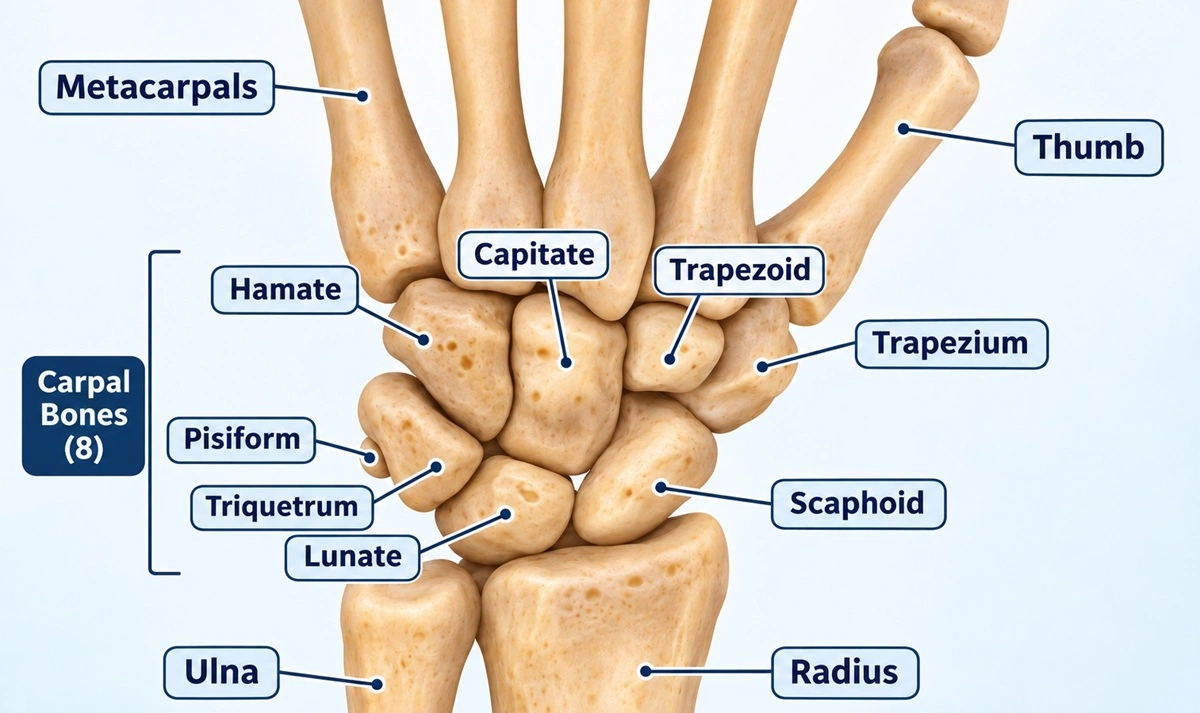
These bones form several small joints that work together to allow the wrist to bend, straighten and move from side to side.
The ends of the bones are covered with smooth cartilage, which helps them glide over each other during movement.
In degenerative wrist arthritis, such as osteoarthritis, this cartilage gradually wears down, reducing the protection between the bones. In inflammatory arthritis, such as rheumatoid arthritis, the immune system attacks the joint lining, causing inflammation and damage.
Where Does Wrist Arthritis Occur?
Arthritis wrist pain can affect different joints within the wrist:
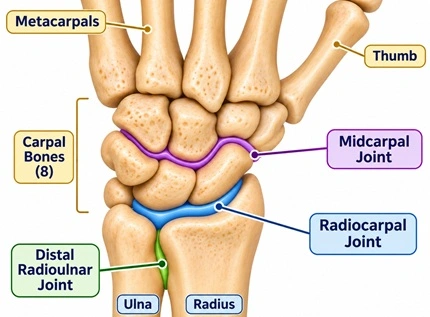
- Radiocarpal
Joint: The main wrist joint, where the radius (forearm bone) meets the
small wrist bones. Arthritis here can cause pain around the centre or back
of the wrist
- Midcarpal
Joint: Located between the two rows of small wrist bones. Arthritis
can cause central wrist pain and stiffness
- Distal Radioulnar Joint: Where the radius and ulna meet near the wrist. Arthritis here often causes pain on the little-finger side, particularly when turning your palm up or down
Arthritis can affect one or more of these joints and may affect one or both hands.
Types Of Arthritis In The Wrist
Several types of arthritis can affect the wrist:
- Osteoarthritis: The most common type, caused by gradual cartilage damage and bone spur formation, reducing joint space. It can develop with age or following a wrist injury
- Rheumatoid Arthritis: An autoimmune condition where the immune system attacks the joint lining, causing inflammation, pain and swelling. It commonly affects both wrists
- Post-Traumatic Arthritis: Develops following an injury such as a wrist fracture or ligament tear, sometimes years later
- Psoriatic Arthritis: An inflammatory condition associated with the skin condition psoriasis that can affect the wrist and other joints
- Gout: An inflammatory arthritis caused by uric acid crystals building up in a joint, triggering sudden episodes of severe pain, redness and swelling
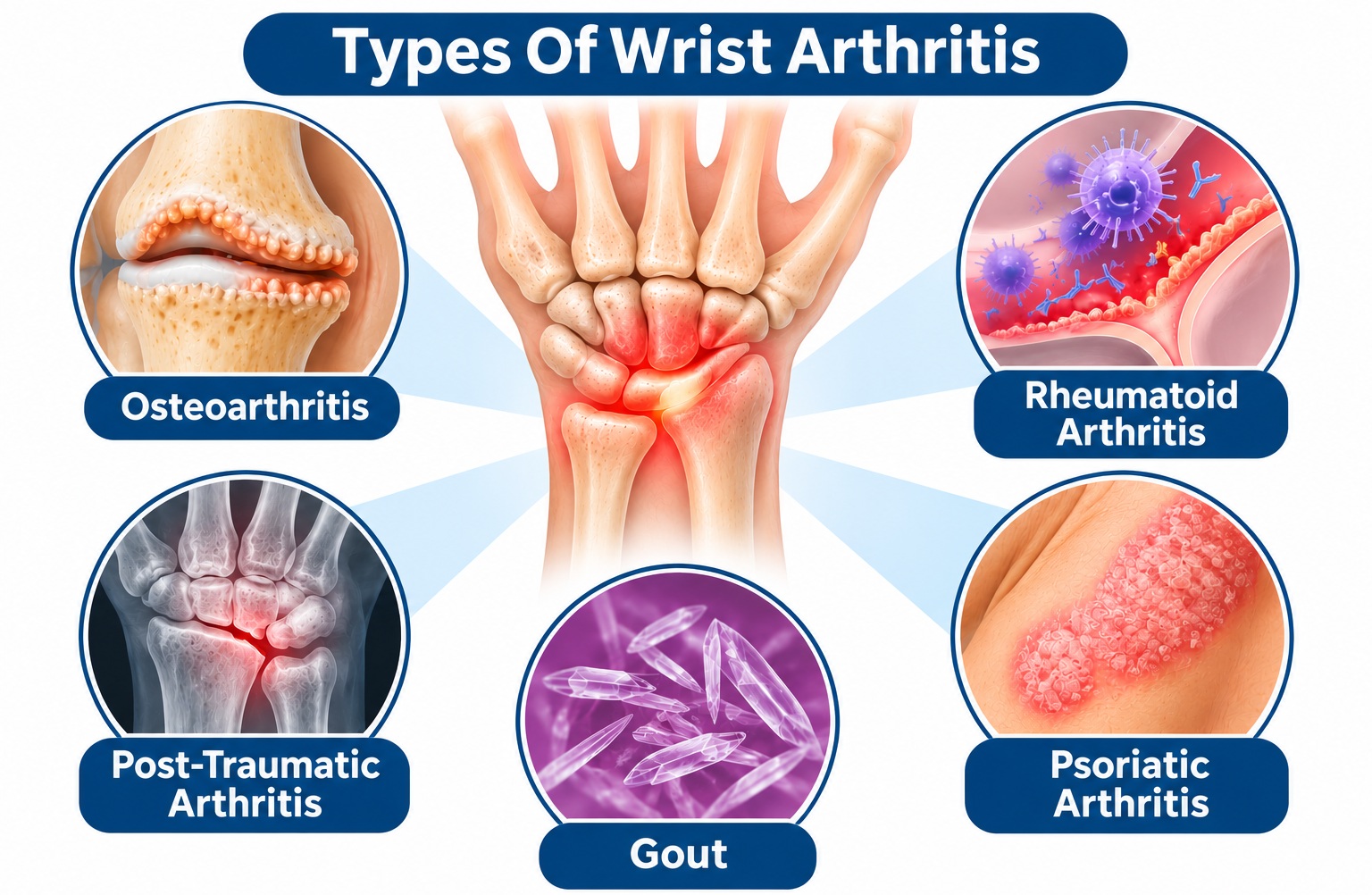
The type of arthritis you have influences your symptoms and the most appropriate treatment.
Arthritis In Wrist Symptoms
The symptoms of arthritis in the wrist vary depending on the type of arthritis and how much joint damage has occurred.
Common arthritis in wrist symptoms include:
- Wrist Pain: A dull ache or sharper pain, often worse when gripping, lifting or twisting your hand
- Stiffness: Reduced movement, particularly in the morning or after periods of rest
- Swelling: The wrist may look puffy, especially during inflammatory flare-ups
- Reduced Movement: Difficulty bending the wrist forwards, backwards or from side to side
- Weakness: Reduced grip strength, or difficulty holding or carry objects
- Tenderness: Arthritis wrist pain when pressing over the affected joint
- Grinding Or Clicking: A creaking or clicking sensation when moving the wrist
Wrist arthritis can also make some everyday activities particularly difficult, such as:
- Pushing yourself up from a chair using your hands
- Opening jars or turning door handles
- Lifting a kettle or carrying shopping
- Putting weight through the palm of your hand
In more advanced cases, wrist arthritis can also cause pain at rest or during the night, rather than only when using your hand.
What Causes Arthritis Wrist Pain?
The causes of wrist arthritis depend on the type of arthritis involved but common risk factors include:
- Aging: Cartilage and other joint changes over time increase the risk of osteoarthritis wrist
- Previous Wrist Injuries: Fractures and ligament tears can damage the joint surfaces or alter how the wrist bones move
- Genetics: A family history of osteoarthritis or inflammatory arthritis may increase susceptibility to certain types of joint disease
- Autoimmune Conditions: Conditions such as rheumatoid arthritis and psoriatic arthritis cause the immune system to attack healthy joint tissues
- Gout: Uric acid crystals can build up in the joint, causing painful inflammation and damage over time
- Joint Instability: Damaged wrist ligaments can cause abnormal movement between the bones, increasing the risk of arthritis
Repetitive wrist movements and heavy use can aggravate existing pain, but they do not necessarily cause arthritis.
SLAC And SNAC Wrist Arthritis
These are two specific patterns of wrist arthritis that can develop following injuries to the small wrist bones.
- SLAC Wrist (Scapholunate Advanced Collapse): Develops following damage to the scapholunate ligament, which connects two wrist bones. If the ligament does not heal properly, the bones can become unstable and cause progressive joint damage
- SNAC Wrist (Scaphoid Nonunion Advanced Collapse): Develops when a scaphoid fracture fails to heal, altering the alignment and movement of the wrist bones and leading to cartilage damage
Both can develop years after the original injury and are recognised causes of post-traumatic wrist osteoarthritis. If you have previously fractured your wrist or injured one of the supporting ligaments, it is worth getting persistent pain or stiffness checked.
Diagnosing Arthritis In Wrist
If you have persistent wrist pain, stiffness or swelling, a doctor or healthcare professional can assess your symptoms and examine your wrist. They will check for tenderness, swelling, joint changes and reduced movement and strength.
Further investigations may include:
- X-Rays: Show joint space narrowing, bone spurs and changes in the bones
- Blood Tests: Help identify inflammatory conditions such as rheumatoid arthritis or check uric acid levels if gout is suspected
- MRI Or Ultrasound: Provide more detail about the joints, cartilage, ligaments and surrounding tissues
- Joint Aspiration: A sample of joint fluid can be tested for uric acid crystals or signs of infection
Early diagnosis is particularly important if rheumatoid arthritis is suspected, as prompt treatment can help prevent joint damage.
Differential Diagnosis: What Else Causes Wrist Pain?
Not all wrist pain is caused by arthritis. Other conditions can produce similar symptoms, including:
- Wrist Tendonitis: Causes pain with wrist movement or gripping
- Carpal Tunnel Syndrome: Causes pain, tingling and numbness in the fingers
- Ganglion Cyst: A fluid-filled lump around the wrist that may cause discomfort
- Wrist Sprain Or Fracture: Injuries that can cause pain, swelling and reduced movement
- TFCC Injury: Damage to the cartilage on the little-finger side of the wrist, causing pain with gripping or forearm rotation
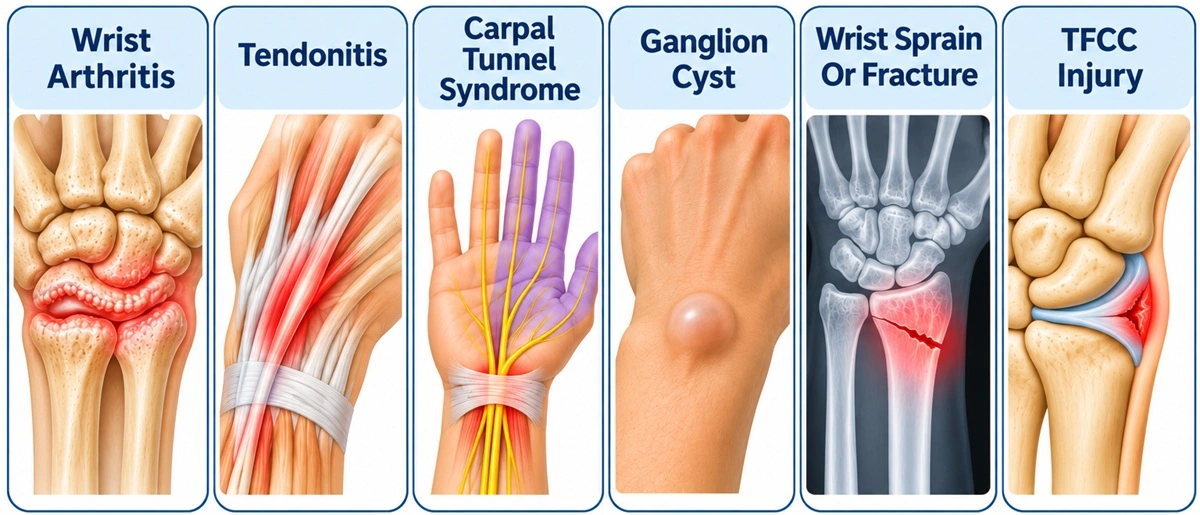
An examination, and sometimes imaging, can help distinguish these conditions from wrist arthritis.
When Should You See A Doctor?
It is important to get persistent wrist pain, swelling or stiffness assessed, particularly if symptoms are affecting your ability to use your hand.
Seek urgent medical advice if you develop:
- Sudden, severe wrist pain and swelling
- A hot, red or very tender wrist
- Wrist pain accompanied by a fever or feeling generally unwell
- Severe pain following an injury, particularly if you cannot move your wrist normally or notice a change in its shape
These symptoms can indicate an infection, fracture or another condition that needs prompt assessment rather than arthritis alone.
Best Wrist Arthritis Treatments
There is no cure for most types of arthritis in the wrist, but treatment can help reduce pain, improve movement and maintain or even improve hand function. The best approach depends on the type of arthritis and how much it affects your daily life.
Most people start with non-surgical treatments, and wrist arthritis surgery is only considered if symptoms remain severe despite other approaches.
1. Activity Modification
Changing how you use your wrist can help reduce irritation and prevent unnecessary strain so try to:
- Take regular breaks from repetitive gripping or twisting
- Use both hands to lift heavier objects and keep your wrists in a neutral position
- Avoid activities that repeatedly aggravate your symptoms
- Use larger handles or adapted equipment to reduce gripping effort
You do not need to stop using your wrist altogether. Keeping it gently moving is important for maintaining joint mobility and function and actually helps reduce arthritis wrist pain.
2. Heat And Cold Therapy
Heat and cold can both help ease wrist arthritis symptoms, although they are useful in different situations.
- Heat Therapy: Applying a warm pack or soaking your wrist in warm water can help ease stiffness and make movement more comfortable. Heat is particularly useful first thing in the morning or before doing your wrist arthritis exercises
- Cold Therapy: Applying a cold pack wrapped in a towel can help reduce pain and swelling, particularly during an inflammatory flare-up or after activities that have aggravated your symptoms
Apply heat or cold for around 10–15 minutes at a time, checking your skin regularly. Avoid applying either directly to the skin.
3. Medication
Medication can help manage wrist arthritis pain and inflammation. Options may include:
- Paracetamol: Can help relieve mild to moderate pain but does not reduce inflammation
- Anti-Inflammatory Medication: NSAIDs such as ibuprofen can reduce pain and inflammation. They are available as tablets and topical gels but are not suitable for everyone
- Disease-Modifying Medication: Used for inflammatory conditions such as gout, rheumatoid and psoriatic arthritis to reduce inflammation and slow disease progression
If you have rheumatoid or psoriatic arthritis, wrist arthritis treatment usually needs to be managed by a rheumatologist.
Your doctor or pharmacist can advise which medication is appropriate for you.
4. Steroid Injections For Wrist Arthritis
A corticosteroid injection may be considered for persistent pain and inflammation. It delivers anti-inflammatory medication directly into the affected joint, but relief is usually temporary. Injections do not repair damaged cartilage or reverse arthritis in the wrist.
5. Wrist Support For Arthritis
A wrist support for arthritis can help reduce discomfort by supporting the joint and limiting painful movements.
Common options include:
- Soft Wrist Supports: Provide gentle compression and warmth without restricting movement
- Structured Wrist Splints: Offer more support and restrict some wrist movements
- Rigid Wrist Braces: Provide greater restriction during particularly painful periods
- Custom-Made Splints: A hand therapist can make a support to fit your wrist and specific needs
A wrist support for arthritis may help during activities involving gripping, lifting or repetitive movements. Some people also find wearing one at night helps relieve pain that disturbs their sleep.
However, wearing a wrist support continuously can lead to stiffness and reduced muscle strength. It is generally best to use one for specific activities or during painful periods rather than relying on it all the time.
6. Wrist Exercises For Arthritis
Gentle wrist arthritis exercises can help maintain and increase movement, reduce stiffness and improve muscle strength.
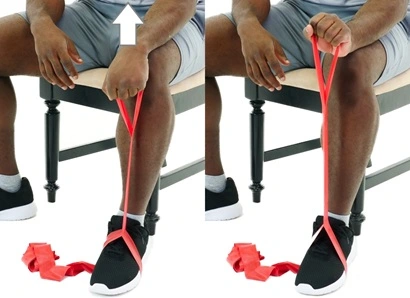
Two useful types are:
- Wrist
Stretches: Help maintain flexibility and make everyday movements
easier
- Wrist Strengthening Exercises: Build strength in the muscles around the wrist, improving support and function
Wrist exercises for arthritis should be controlled and comfortable. Do not push through sharp or increasing pain.
7. Physical Therapy
Physical therapy can help if wrist arthritis affects your movement, strength or everyday activities.
A physical therapist can recommend suitable wrist arthritis exercises, advise on modifying activities and help you manage stiffness. A hand therapist can also provide specialist advice about wrist splints, joint protection and adapted equipment.
Wrist Arthritis Surgery
If arthritis in the wrist causes persistent pain and significantly affects daily activities despite non-surgical treatment, surgery may be considered.
The most suitable operation depends on which joints are affected, the extent of the damage and how much wrist movement you need to preserve.
1. Proximal Row Carpectomy
Carpectomy wrist arthritis surgery removes the first row of small wrist bones. It can be used for certain patterns of wrist arthritis, including some cases of SLAC and SNAC wrist. It aims to reduce pain while preserving some wrist movement.
It is only suitable for certain patterns of wrist arthritis where the cartilage in the remaining joint surfaces is still healthy.
2. Wrist Fusion
Wrist fusion, aka wrist arthrodesis, involves joining the bones together so that the affected joint no longer moves. The damaged cartilage is removed, and the bones are held in position using plates, screws or pins while they heal together.
- Partial Wrist Fusion: Joins some wrist bones together, preserving movement in the remaining joints
- Total Wrist Fusion: Joins the wrist bones to the radius, eliminating movement at the wrist joint
A total wrist fusion can provide significant pain relief, but you will no longer be able to bend your wrist up and down or move it from side to side. However, you should still be able to rotate your forearm and move your fingers and thumb.
3. Wrist Replacement
Wrist replacement, aka wrist arthroplasty, involves removing damaged joint surfaces and replacing them with artificial components. It aims to reduce pain while preserving some wrist movement.
It is less commonly performed wrist arthritis surgery than wrist fusion and is suitable for selected people, depending on the extent and location of the arthritis.
4. Wrist Denervation
Wrist denervation involves cutting or removing selected small nerves that carry pain signals from the wrist. It aims to reduce pain while preserving movement, but does not reverse arthritis. Pain can return over time.
Your surgeon will consider several factors when recommending wrist arthritis surgery, including which joints are affected, how advanced the arthritis is, whether the surrounding joints are healthy and how much movement you want to retain. The aim is to find the best balance between pain relief and wrist function.
FAQ's About Wrist Arthritis Pain
1. What Does Arthritis In The Wrist Feel Like?
1. What Does Arthritis In The Wrist Feel Like?
Arthritis wrist pain often feels like a deep ache around the joint, which may become worse when gripping, lifting or twisting your hand. You may also experience stiffness, swelling and reduced movement.
Some people notice clicking or grinding when moving their wrist. Symptoms can be worse first thing in the morning or after periods of inactivity, depending on the type of arthritis.
2. Can You Have Arthritis In Your Wrist Without Swelling?
2. Can You Have Arthritis In Your Wrist Without Swelling?
Yes, you can have arthritis in your wrist without noticeable swelling. Wrist osteoarthritis often causes pain and stiffness without significant visible inflammation, particularly in the earlier stages.
Swelling is more common with inflammatory conditions such as rheumatoid arthritis and gout. The absence of swelling does not rule out arthritis, so persistent wrist pain or stiffness should still be assessed.
3. Can Arthritis In The Wrist Cause Numbness In The
Fingers?
3. Can Arthritis In The Wrist Cause Numbness In The Fingers?
Arthritis does not usually cause numbness directly, but swelling or changes around the wrist can sometimes put pressure on nearby nerves. For example, pressure on the median nerve can cause symptoms similar to carpal tunnel syndrome.
Numbness, tingling or pins and needles in the fingers should be assessed, as they may indicate a separate nerve problem.
4. Does Wrist Arthritis Affect Both Wrists?
4. Does Wrist Arthritis Affect Both Wrists?
It depends on the type of arthritis. Osteoarthritis wrist and post-traumatic arthritis typically affects just one wrist, particularly if they develop following an injury. Rheumatoid arthritis is more likely to affect both wrists, often alongside the small joints of the fingers.
However, pain in both wrists does not automatically mean you have rheumatoid arthritis.
5. Does Wrist Arthritis Get Worse Over Time And Can It Be
Reversed?
5. Does Wrist Arthritis Get Worse Over Time And Can It Be Reversed?
Arthritis in the wrist can gradually progress as cartilage and joint structures become increasingly damaged. However, symptoms do not always worsen steadily, and many people manage their condition successfully with wrist arthritis treatment.
Existing cartilage damage cannot currently be reversed, but wrist arthritis exercises, activity modification, medication and wrist supports can help reduce pain and maintain function. For inflammatory arthritis, early specialist treatment can help control inflammation and reduce the risk of further joint damage.
6. Is It Better To Rest Or Exercise An Arthritic Wrist?
6. Is It Better To Rest Or Exercise An Arthritic Wrist?
It is generally better to keep an arthritic wrist gently moving rather than resting it completely. Movement helps maintain flexibility and reduce stiffness, while strengthening exercises improve support around the joint.
If your wrist is particularly painful or swollen, temporarily reduce aggravating activities. Aim for comfortable movement without pushing through increasing pain. Arthritis wrist exercises are a really important part of treatment.
7. What Is The Difference Between Osteoarthritis And
Rheumatoid Arthritis In The Wrist?
7. What Is The Difference Between Osteoarthritis And Rheumatoid Arthritis In The Wrist?
Osteoarthritis and rheumatoid arthritis can cause similar wrist symptoms, but there are some differences.
Osteoarthritis wrist typically causes pain that worsens with activity and improves with rest. Stiffness is common after inactivity but usually eases with movement. It may initially affect one wrist, particularly following an injury.
Rheumatoid arthritis causes inflammation, swelling and prolonged morning stiffness, sometimes lasting an hour or more. It commonly affects both wrists and the small joints of the fingers.
These patterns are not definitive, so a medical assessment is needed to identify the type of arthritis.
Arthritis In Wrist Summary
Arthritis in the wrist can cause pain, stiffness, swelling, weakness and reduced movement making everyday activities such as gripping, lifting and writing more difficult.
It may develop due to osteoarthritis, a previous wrist injury or an inflammatory condition such as rheumatoid arthritis.
Wrist arthritis treatment focuses on reducing symptoms and maintaining wrist function through activity modification, medication, wrist supports, exercises and physical therapy. If pain remains severe despite these approaches, wrist arthritis surgery may be considered. Getting an accurate diagnosis helps ensure you receive the most appropriate treatment for arthritis wrist pain.
You may also be interested in the following articles:
- Arthritis In The Fingers
- Wrist Pain Diagnosis Chart
- Wrist Lumps & Bumps
- Wrist Fractures
- Wrist Tendonitis
- Hand Pain Diagnosis Chart
- Pain From Shoulder To Hand
Related Articles
Wrist Diagnosis
November 12th, 2026
Shoulder Diagnosis
September 23rd, 2026
Elbow Diagnosis
April 29, 2026
Medical & Scientific References
- Wrist Arthritis. NIH National Library Of Medicine
- Managing The Arthritic Wrist: Complication Prevention And Management. Journal Of Clinical Orthopaedics & Trauma
- Osteoarthritis Of The Hand And Wrist. Arthritis UK
- Wrist Arthritis. Medscape
Page Last Updated: November 25th, 2026
Next Review Due: November 25th, 2028

Visitor Comments
"Such an informative and valuable site. Clearly written and matches the guidance from my orthopedic surgeon. Even offers many rehab exercises. Thank you very much!" Izabela
"I am a massage therapist and found your website perfect. Very useful. Clear, easy understand. Big help. Thank you!" Viktoria
"This is a great site. Very informative" Marilyn
"I benefited a lot from your distinguished work, thank you." Sayed
"Hi
and thanks so much, great site! You
are doing a lot of good in the world with this helpful site, thanks again." Karen
The material on this website is intended for educational information purposes only. It should not delay or substitute medical advice, diagnosis or treatment. See our T&C's
Shoulder-Pain-Explained.com is a trading name of Wilson Health Ltd. All rights reserved. Terms & Conditions apply
© shoulder-pain-explained.com 2015-26 Last updated 26th November 2026
Contact Us About Us Blog Privacy Policy Advertising Policy Sitemap
