- Home
- Diagnosis Guide
- Shoulder Pain From Neck
Is Your Shoulder Pain Actually Coming From Your Neck?
Written By: Chloe Wilson BSc (Hons) Physiotherapy
Reviewed By: SPE Medical Review Board

Shoulder pain from neck problems can be hard to pinpoint. You may feel the pain around your shoulder, shoulder blade or upper arm even though the problem is actually coming from your neck.
Shoulder pain does not always come from the shoulder itself. The nerves that supply your shoulder and arm originate in your neck. If one of these nerves becomes irritated, it can cause pain, tingling, numbness or weakness further down the arm.
But how can you tell whether your pain is coming from your neck or whether you actually have a shoulder problem?
Here we will look at:
Quick Answer: Can Shoulder Pain Come From Your Neck?
Yes, shoulder pain can come from your neck, even if your neck itself doesn't hurt very much.
This is particularly common when the nerves leaving the neck become irritated, a condition known as cervical radiculopathy.
You may notice:
- Pain around the shoulder or shoulder blade
- Pain travelling down the arm
- Pins and needles or numbness
- Weakness in the arm or hand
These are useful clues that your neck may be contributing to your shoulder pain.
One of the biggest clues is how your symptoms behave. If moving your neck changes your shoulder pain, either making it worse or better, if your pain travels further down your arm or if it is accompanied by tingling, numbness or weakness, there is a high chance that your neck is contributing to the problem.
How Can You Get Shoulder Pain From The Neck?
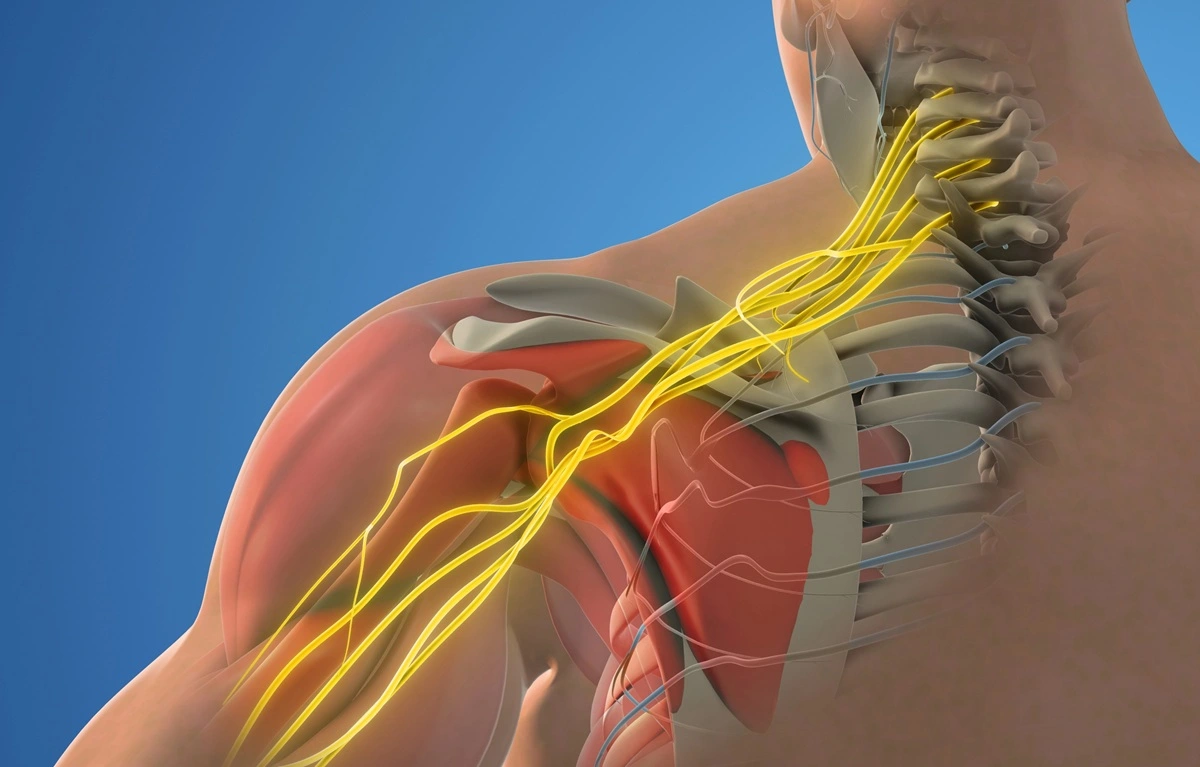
Quick anatomy lesson. The nerves that supply your shoulder, arm and hand leave the spinal cord through openings in your neck.
If a nerve root becomes irritated or compressed in the neck, it can cause symptoms further along its pathway.
There are several possible reasons why a cervical nerve root can become irritated, including changes affecting the discs or joints of the neck. These are covered in detail in the Arm Nerve Pain article.
Importantly, you won't necessarily have severe neck pain if this happens. You may have relatively little discomfort in your neck but notice most of your symptoms around your shoulder, shoulder blade or arm.
What Does Shoulder Pain From The Neck Feel Like?
Symptoms vary from person to person. Pain coming from the neck can feel like an ache around the shoulder or shoulder blade, but some people describe sharper, shooting or burning pain that travels into the arm.
If a nerve is involved, you may also notice tingling, numbness or weakness. The pain may travel further down the arm rather than staying around the shoulder.
Shoulder problems can also cause aching, sharp or sometimes quite intense pain, so the way the pain feels isn't enough to tell us where it is coming from. Pain from shoulder problems may be more localised and rarely travels as far as the elbow.
The more useful clues are what changes the pain, where it travels and whether you have any neurological symptoms.
Where Can Shoulder Pain Coming From The Neck Be Felt?
Pain originating from the neck does not always follow one simple pattern. Depending on the structures involved, you may feel symptoms:
- Between The Neck And Shoulder: in the upper trapezius area between the base of your neck and the top of your shoulder
- Around The Shoulder Blade: Neck-related pain can be felt around or alongside the shoulder blade, sometimes without much pain directly in the neck.
- Around The Outer Shoulder: Some neck problems can produce pain around the shoulder or upper arm, which can make them look very similar to rotator cuff pain
- Further Down The Arm: When a nerve is irritated, pain, tingling or numbness may travel into the upper arm, forearm or hand.
So although the location of your pain gives us useful information, where you feel the pain isn't always enough to tell where it is actually coming from.
5 Signs Your Shoulder Pain May Be Coming From Your Neck
There is no single symptom that proves your neck is the source, but these five clues make me more suspicious of a neck-related problem.

1. Moving Your Neck Changes Your Shoulder Pain
This is one of the most useful clues. Try gently turning your head from side to side or look up and down. If these movements consistently change or reproduce the symptoms you feel around your shoulder or arm, it suggests that the neck may be involved.
Be aware that neck movements can make symptoms better or worse as they may increase or decrease the pressure on the nerve.
2. Your Pain Travels Down Your Arm
Shoulder problems can certainly cause pain into the upper arm. However, pain that travels further down the arm, particularly below the elbow towards the forearm or hand, suggests that a neck-related nerve problem may be more likely.
If this is happening to you, see the Pain From Shoulder To Hand article for a more detailed look at the possible causes.
3. You Have Tingling Or Numbness
Pins and needles, altered sensation or numbness are important clues because they usually mean that a nerve is involved. The problem may originate from the neck or further down the nerve pathway.
4. Your Arm Or Hand Feels Weak
If you notice genuine weakness rather than simply avoiding a movement because it hurts, this is another reason to consider whether a nerve from the neck is involved.
For example, you may notice that your grip feels weaker, you are struggling to lift your arm normally, your hand feels less powerful than usual or you are dropping things.
New or worsening weakness should be assessed rather than simply treated as ordinary shoulder pain.
5. Your Shoulder Movements Don't Fully Explain The Pain
If you can move your shoulder reasonably well but certain neck positions reproduce your familiar symptoms that makes a purely shoulder-based problem less convincing.
Equally, if lifting your arm, reaching behind your back or lying on the affected shoulder consistently reproduces your pain, that makes it more likely that the shoulder itself may be contributing.
And sometimes it isn't an either/or situation. You can have a neck problem and a shoulder problem at the same time.
It is important to remember that these five clues can occur with several different conditions, they don't automatically mean you have cervical radiculopathy. However, when they occur alongside neck or shoulder pain, they are worth having assessed.
Shoulder Pain From Neck vs Shoulder Problem
The following patterns can help give you an idea of where your symptoms may be coming from. They are clues rather than a diagnosis.
| Clue | Neck Problems | Shoulder Problems |
|---|---|---|
| Where Is The Pain? | Pain in the neck, shoulder and/or down the arm, which may extend into the wrist and hand. | Pain mainly in the shoulder or upper arm. Pain rarely extends below the elbow. |
| What Does It Feel Like? | Stabbing, burning or tingling pain. Numbness and weakness may also occur. | Dull, aching, catching or stabbing pain. Sensation is usually unaffected. |
| What Affects The Pain? | May persist during rest and typically worsens with neck movements. | Usually eases with rest and worsens with shoulder movements. |
| What Happens At Night? | May ease at night. | Pain may persist or worsen at night. |
The important thing is to look at the overall pattern, rather than relying on one symptom.
Can Shoulder Pain Coming From The Neck Happen Without
Neck Pain?
Yes absolutely, a problem in the neck does not always cause neck pain. This is one of the reasons neck-related shoulder pain can be so confusing.
You may have very little neck pain but experience symptoms around your shoulder blade, shoulder or arm.
If a nerve leaving the neck is irritated, the symptoms can be felt further along the nerve's pathway rather than primarily at the neck.
So don't rule out your neck simply because your neck itself doesn't hurt, instead look at the overall pattern. Find out more in the Arm Nerve Pain article.
What If My Shoulder Pain Travels Down My Arm?
Pain travelling down the arm is an important clue that the nerves may be involved, particularly if it extends below the elbow or is accompanied by pins and needles, numbness or weakness.
However this doesn't automatically mean the pain is coming from your neck. There are other possible causes of arm pain, which is why the whole pattern needs to be considered. We’ve covered this in more detail in the Pain From Shoulder To Hand article.
When Should You See A Dr?
If you have shoulder pain that doesn’t settle down within a couple of weeks, you should seek medical assessment if:
- Your daily activities are affected
- The pain is affecting your sleep
- Symptoms are getting progressively worse in frequency, intensity, duration
- The pain is travelling further down your arm
When To Seek Urgent Medical Advice
Seek urgent medical attention if you develop significant or rapidly worsening weakness, problems with balance or walking, loss of coordination or changes in bladder or bowel control.
These symptoms can indicate a more significant neurological problem and shouldn't simply be treated as routine shoulder or neck pain.
You should also seek urgent assessment following significant trauma, particularly if the shoulder is deformed, very swollen or you cannot move the arm.
What Can You Do If Your Shoulder Pain Is Caused By Your
Neck?
The right treatment depends on what is actually causing your symptoms.
For many neck-related problems, staying reasonably active and gradually returning to normal movement is preferable to completely resting the neck and shoulder.
Gentle exercises and physical therapy can also be useful, particularly when symptoms are persistent or affecting your normal activities.
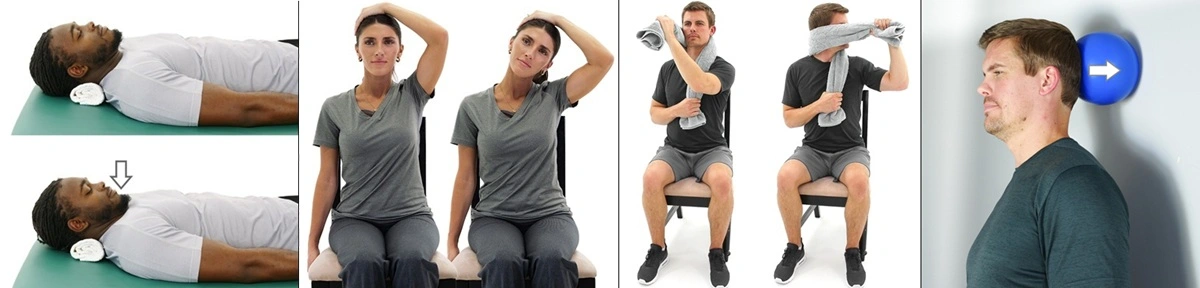
If you would like to try exercises for neck-related shoulder pain, see our guide to Neck Exercises For Shoulder Pain – coming soon.
If you have significant nerve symptoms such as weakness, numbness or persistent tingling, it is sensible to get assessed rather than simply trying to treat the pain yourself.
Bottom Line
Yes, shoulder pain can come from the neck, and sometimes the neck is the source even when your neck doesn't hurt very much. The main clues to look for are:
- Does moving your neck change the pain?
- Does the pain travel down your arm?
- Does it extend below the elbow?
- Do you have pins and needles, numbness or weakness?
- Do shoulder movements clearly reproduce the pain?
At the same time, don't assume that every case of shoulder pain with neck discomfort is coming from the neck.
Shoulder problems can cause pain around the neck and upper shoulder too, and it is possible to have problems affecting both areas.
If you're struggling to work out where your pain is coming from, having both your neck and shoulder assessed can help identify which structures are contributing to your symptoms.
FAQs
Can Shoulder Pain Come From The Neck?
Can Shoulder Pain Come From The Neck?
Yes. Problems in the neck can cause pain to be felt around the shoulder, shoulder blade or arm. This is particularly relevant when a nerve leaving the neck becomes irritated. You may also experience pins and needles, numbness or weakness.
However, shoulder problems, such as rotator cuff pain can produce some similar symptoms, so the pattern of pain and what movements affect it are important when working out where the symptoms are coming from.
How Can I Tell If My Shoulder Pain Is Coming From My
Neck?
How Can I Tell If My Shoulder Pain Is Coming From My Neck?
One useful clue is whether moving your neck changes the pain in your shoulder or arm. Pain that travels further down the arm, particularly below the elbow, or is accompanied by pins and needles, numbness or weakness, also makes a neck-related problem more likely.
If your pain is consistently reproduced by shoulder movements while neck movement has little effect, the shoulder may be contributing more strongly.
Can Shoulder Pain From The Neck Happen Without Neck Pain?
Can Shoulder Pain From The Neck Happen Without Neck Pain?
Yes, you don't necessarily need significant neck pain for a neck problem to cause symptoms around your shoulder or arm. Some people notice pain mainly around the shoulder blade or upper arm.
If a nerve leaving the neck is irritated, symptoms can be felt further along its pathway. So the absence of neck pain doesn't rule out the neck as a possible source of your shoulder symptoms.
Can A Pinched Nerve In The Neck Cause Shoulder Pain?
Can A Pinched Nerve In The Neck Cause Shoulder Pain?
Yes. Irritation of a nerve leaving the cervical spine can cause pain in the shoulder, shoulder blade and arm. You may also experience tingling, numbness or weakness, although these symptoms aren't present in every case.
The term “pinched nerve” is commonly used, although nerve irritation can have several different causes and isn't necessarily due to a nerve being physically trapped. Find out more in the Arm Nerve Pain section.
Why Does My Shoulder Hurt When I Move My Neck?
Why Does My Shoulder Hurt When I Move My Neck?
If moving your neck changes or reproduces your shoulder pain, it may indicate that the neck is contributing to your symptoms. This can happen because the nerves and other structures in the neck are connected with the areas around your shoulder and arm. However, this doesn't prove that the neck is the source.
A physical assessment is often needed to distinguish neck-related pain from a problem within the shoulder itself.
Can A Shoulder Problem Cause Neck Pain?
Can A Shoulder Problem Cause Neck Pain?
Yes, the neck and shoulder work closely together, so a painful shoulder can cause the muscles around the neck and upper shoulder to work differently. This can lead to neck discomfort or stiffness. The reverse can also happen, with a neck problem producing shoulder symptoms.
This is why it can sometimes be difficult to work out which area is primarily responsible without looking at the whole pattern of symptoms and movements.
Can A Neck Problem Cause Shoulder Blade Pain?
Can A Neck Problem Cause Shoulder Blade Pain?
Yes, pain coming from the neck can sometimes be felt around or between the shoulder blades, even when the neck itself isn't particularly painful.
This is particularly worth considering if your shoulder blade pain changes when you move your neck or is accompanied by pain, tingling, numbness or weakness further down the arm.
However, shoulder blade pain can also come from the shoulder, upper back or surrounding muscles. The location alone therefore does not tell us where the problem is coming from. Find out more in the Shoulder Blade Pain article.
Should I Have An MRI If I Have Shoulder Pain And Neck
Pain?
Should I Have An MRI If I Have Shoulder Pain And Neck Pain?
Not necessarily. An MRI is not usually the first step simply because you have shoulder and neck pain. Cervical radiculopathy can often be assessed from your symptoms and a physical examination, including neck movement and neurological testing.
Imaging may be considered when symptoms are persistent, severe, unusual or when there is a specific clinical reason to investigate further.
Related Shoulder Pain Articles
You may be interested in the following articles:
- Shoulder Pain Diagnosis Chart
- Burning Shoulder Pain
- Arm Nerve Pain
- Pain From Shoulder To Hand
- Rotator Cuff Pain
- Shoulder Strengthening Exercises
Related Articles

Upper Arm Pain
March 11, 2026
Shoulder Diagnosis
September 23rd, 2026

Shoulder Problems
January 29, 2026
Page Last Updated: September 30th, 2026
Next Review Due: September 30th, 2028

Visitor Comments
"Such an informative and valuable site. Clearly written and matches the guidance from my orthopedic surgeon. Even offers many rehab exercises. Thank you very much!" Izabela
"I am a massage therapist and found your website perfect. Very useful. Clear, easy understand. Big help. Thank you!" Viktoria
"This is a great site. Very informative" Marilyn
"I benefited a lot from your distinguished work, thank you." Sayed
"Hi
and thanks so much, great site! You
are doing a lot of good in the world with this helpful site, thanks again." Karen
The material on this website is intended for educational information purposes only. It should not delay or substitute medical advice, diagnosis or treatment. See our T&C's
Shoulder-Pain-Explained.com is a trading name of Wilson Health Ltd. All rights reserved. Terms & Conditions apply
© shoulder-pain-explained.com 2015-26 Last updated 30th September 2026
Contact Us About Us Blog Privacy Policy Advertising Policy Sitemap
